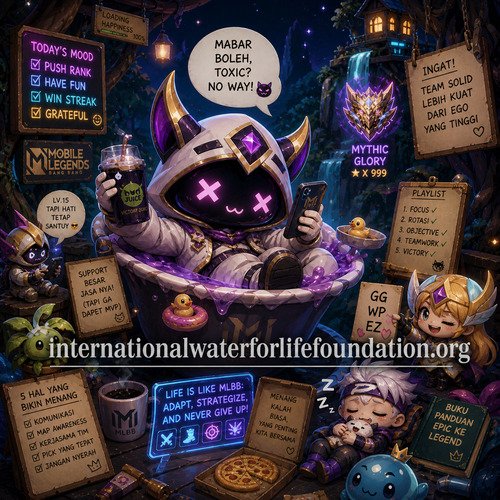
internationalwaterforlifefoundation.org – Mobile Legends is a game filled with countless strategic elements, but few aspects influence the outcome of a match as much as team fights. Throughout every game, there are moments when all ten players converge around an objective, a lane, or a critical area of the map. These clashes often determine who gains momentum, secures important objectives, and ultimately wins the match.
Many players assume that winning team fights is simply a matter of dealing more damage than the enemy team. While damage output is certainly important, successful engagements involve much more than raw numbers. Positioning, timing, communication, target selection, cooldown management, and situational awareness all contribute to the outcome of every battle.
One of the biggest differences between average and advanced players is their understanding of how team fights actually work. Less experienced players often focus on immediate action, rushing into engagements without considering positioning or overall strategy. Skilled players, on the other hand, approach fights with a plan. They understand their role within the team composition and know exactly what they need to accomplish.
The importance of team fights increases as the match progresses. During the late game, a single lost engagement can result in the destruction of multiple structures or even the end of the game itself. This makes understanding team-fighting principles one of the most valuable investments a Mobile Legends player can make.
Developing strong team-fighting skills requires more than mechanical practice. Players must learn how to analyze situations, predict enemy behavior, and coordinate with teammates. Those who master these concepts often become the players who consistently influence the outcome of important matches.
Understanding the Foundations of Successful Team Fights
Before players can excel in large-scale engagements, they must understand the core principles that govern every battle. These fundamentals create the framework for effective decision-making during chaotic situations.
Every hero enters a team fight with specific responsibilities. Understanding those responsibilities before combat begins dramatically increases effectiveness.
Tanks are generally responsible for creating opportunities. Their job is to absorb pressure, initiate engagements, and disrupt enemy positioning. A tank that enters the fight confidently and at the correct moment can completely change the flow of an engagement.
Marksmen typically serve as sustained damage dealers. Their primary objective is to survive while continuously damaging opponents. Many marksman players make the mistake of prioritizing aggression over survival, which often results in early eliminations and reduced team fight impact.
Mages provide burst damage, crowd control, and zone control. Depending on the hero, they may focus on disrupting enemy formations or eliminating priority targets.
Assassins excel at targeting vulnerable opponents. Rather than attacking the nearest enemy, they often wait for opportunities to reach backline heroes and create chaos within enemy formations.
Fighters frequently operate between the frontline and backline, providing flexibility and pressure throughout the engagement. Support heroes focus on enabling teammates through healing, shielding, crowd control, or utility effects.
Understanding these roles allows players to make better decisions and avoid actions that undermine their team’s overall strategy.
Why Positioning Matters More Than Damage
Positioning is often the most important factor in determining team fight outcomes. A player with perfect positioning can contribute consistently throughout an engagement, while poor positioning frequently results in early elimination.
Effective positioning depends on hero type and battlefield conditions. Damage dealers should generally remain behind frontline heroes, using safe locations to maximize damage output. Frontline heroes should position themselves where they can absorb pressure and protect teammates.
Positioning is not static. Players must constantly adjust based on enemy movements, objective locations, and evolving threats. Remaining aware of surroundings allows players to maintain favorable positions even as the fight develops.
Good positioning also creates psychological pressure. Opponents may hesitate to engage if key threats are positioned safely and supported effectively.
Players who consistently prioritize positioning often achieve better results than those who rely solely on aggressive mechanics.
Understanding Engagement Timing
Even the strongest team composition can fail if it engages at the wrong moment. Timing influences every aspect of a team fight.
Successful teams often wait for favorable conditions before committing. These conditions may include vision advantages, cooldown availability, superior positioning, or numerical superiority.
Engaging prematurely can expose teammates to unnecessary risks. Conversely, waiting too long may allow opponents to establish stronger positions or secure objectives uncontested.
Timing also involves recognizing enemy mistakes. Overextended opponents, poor positioning, and wasted abilities often create opportunities that skilled players exploit immediately.
Developing strong timing instincts requires experience, observation, and patience. Over time, players learn to identify moments when aggression is most likely to succeed.
Advanced Team Fight Strategies for Competitive Play
Once players understand the fundamentals, they can begin exploring advanced concepts that separate elite competitors from the rest of the player base.
One of the most important strategic decisions during a team fight involves target selection. Choosing the correct target often determines whether an engagement succeeds or fails.
High-value targets typically include heroes capable of dealing significant damage or providing critical utility. Eliminating these threats reduces enemy effectiveness and creates opportunities for teammates.
However, reaching priority targets is not always simple. Enemy frontliners often position themselves to protect vulnerable teammates, forcing players to make difficult decisions.
Skilled players evaluate situations dynamically. Sometimes attacking the enemy frontline is appropriate because it creates pressure and opens opportunities. In other situations, focusing resources on a vulnerable damage dealer may provide greater value.
Understanding target priority improves efficiency and increases the likelihood of winning engagements.
Managing Cooldowns Effectively
Abilities are among the most powerful resources available during team fights. Managing them properly can dramatically influence outcomes.
Many players waste important abilities too early, leaving themselves vulnerable during critical moments. Others hesitate excessively and fail to contribute meaningful impact before the fight concludes.
Effective cooldown management requires understanding both friendly and enemy abilities. Knowing which abilities remain available helps players identify opportunities and avoid unnecessary risks.
Tracking major enemy ultimates is particularly valuable. Once these abilities are unavailable, teams often gain temporary windows of opportunity that can be exploited aggressively.
Players who manage cooldowns intelligently consistently contribute more value during engagements.
Creating Space for Damage Dealers
One of the most overlooked aspects of team fighting is space creation. Damage dealers perform best when they can focus on dealing damage without constant pressure.
Frontline heroes play a crucial role in creating this space. By disrupting enemies, absorbing damage, and controlling key areas, they allow teammates to operate more effectively.
Space creation also involves controlling movement options. Crowd control abilities, zoning effects, and strategic positioning can limit enemy freedom and create safer environments for allies.
Teams that understand this concept often appear more coordinated because every role contributes toward a shared objective. Protecting damage dealers frequently produces better results than pursuing unnecessary aggression.
Winning a team fight is valuable, but its true significance depends on what happens afterward. Successful teams understand how to convert victories into meaningful advantages.
Securing Objectives After Engagements
Objectives are the primary reward for successful team fights. Eliminating opponents creates opportunities to secure resources that strengthen the entire team.
Turrets provide map control and increase strategic flexibility. Turtle offers economic advantages that accelerate progression. Lord creates immense pressure capable of breaking defensive formations.
Teams that immediately transition from team fights to objectives maximize the value of their victories. Those that hesitate often allow opponents to recover and reduce the impact of successful engagements.
Objective-focused thinking transforms temporary successes into lasting advantages.
Maintaining Momentum Without Overextending
Momentum is a powerful force in Mobile Legends. Teams that secure consecutive victories often gain increasing control over the battlefield.
However, maintaining momentum requires discipline. Overconfidence frequently leads to unnecessary mistakes that allow opponents to recover.
Successful teams continue making calculated decisions even when ahead. They prioritize objectives, manage resources effectively, and avoid unnecessary risks.
This balanced approach allows advantages to grow steadily while minimizing opportunities for enemy comebacks. Understanding how to maintain momentum is essential for consistent ranked success.
Learning From Every Engagement
Every team fight provides valuable information. Whether the outcome is positive or negative, players can analyze what occurred and identify areas for improvement.
Questions such as “Was positioning effective?” or “Were abilities used at the right time?” encourage reflection and growth. Over time, this process strengthens decision-making and strategic understanding.
Studying both successes and failures helps players refine their approach to future engagements. This continuous learning process is one of the most reliable paths toward improvement.
Players who actively analyze their performance often progress faster than those who focus solely on outcomes.
Conclusion Mobile Legends Teamfight Guide: How to Win Crucial Battles and Carry Your Team to Victory
Team fights are among the most influential aspects of Mobile Legends. They determine control over objectives, create opportunities for map pressure, and frequently decide the outcome of entire matches. While mechanical skill remains important, successful engagements rely heavily on positioning, timing, communication, target selection, and strategic awareness.
Players who understand their roles, manage abilities effectively, and coordinate with teammates often achieve greater consistency than those who rely purely on individual talent. Every engagement presents opportunities to demonstrate strategic understanding and contribute meaningfully to team success.
Mastering team fights is not a process that happens overnight. It requires observation, practice, and a willingness to learn from both victories and defeats. By focusing on fundamentals, refining advanced strategies, and maintaining a growth-oriented mindset, players can become more effective competitors and significantly increase their chances of success in Mobile Legends.